
Water Vapor Fireplace Interior Design: Ideas for Modern Spaces
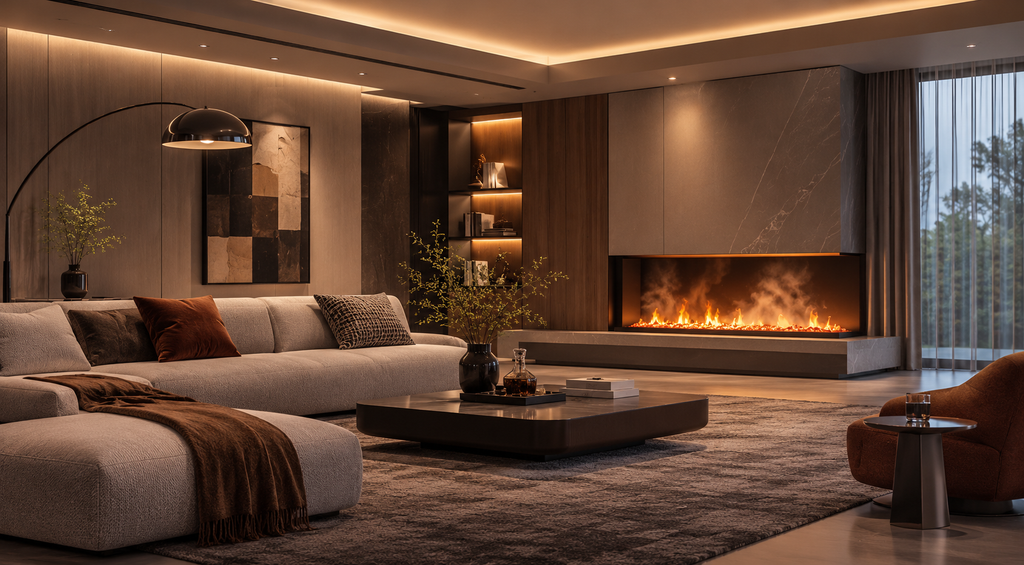
In contemporary architecture and luxury renovations, water vapor fireplace interior design has emerged as a defining trend for residential and commercial spaces. By replacing real combustion with ultrasonic mist and precision LED lighting, these innovative hearths allow architects and interior designers to incorporate realistic flame visuals into spaces where traditional fireplaces were once impossible.
Unlike conventional wood-burning or gas units that demand heavy masonry, expensive flues, and strict thermal clearances, a mist fireplace produces cool-touch vapor with zero smoke or toxic emissions. This technical freedom shifts the role of the fireplace from a bulky heating appliance into a versatile, sculptural design element.
Here is a practical guide on how to integrate water vapor fireplace interior design into modern architectural projects.
1. Transforming Living Rooms with Linear Focal Points
In open-concept living areas, establishing a strong visual anchor without obstructing sightlines is essential.
- Floating Hearth Walls: Because mist units are lightweight and require no chimney breast, designers can build sleek, floating stud walls clad in microcement, fluted wood, or natural stone.
- Two-Sided and Three-Sided Dividers: Installing a multi-sided mist insert inside a central partition wall connects adjacent living and dining zones while allowing dancing flames to be enjoyed from multiple angles.
- Custom Length Integration: Modular water vapor cassettes can be linked seamlessly to create dramatic linear flame ribbons spanning two meters or more across expansive feature walls.
2. Safe Integration Beneath Electronics and Artwork
Heat management has historically restricted where designers could place delicate finishes and media equipment.
- Zero-Clearance Media Walls: Because ultrasonic vapor flames emit zero heat, televisions, soundbars, and custom wood millwork can be positioned directly above the firebox without warping or thermal damage.
- Fine Art & Veneer Protection: High-end wood veneers, textured wallpaper, and framed artwork remain completely safe from soot, moisture buildup, or excessive drying near the flame opening.
3. Elevating Hospitality and Commercial Interiors
Beyond private residences, water vapor fireplace interior design is rapidly gaining traction in boutique hotels, fine dining restaurants, spas, and executive lobbies.
- Zero-Emission Compliance: Commercial buildings often prohibit open flames and gas piping due to strict fire codes. Ventless water vapor systems bypass these regulatory hurdles while delivering high-impact visual warmth.
- Customizable Flame Colors: Many commercial-grade mist fireplaces feature RGB LED options, enabling designers to match flame hues to brand palettes, seasonal events, or evening ambient lighting schemes.
- Gentle Air Humidification: In air-conditioned commercial environments, the microscopic water mist subtly improves indoor air comfort without dampness.
4. Balancing Material Palettes and Ambient Lighting
To make a mist hearth look truly architectural, surface textures and lighting must work together. As highlighted in interior styling features by Architectural Digest, pairing warm organic surfaces with layered indirect illumination prevents minimalist rooms from feeling sterile.
- High-Contrast Stone & Dark Finishes: Dark slate, Nero Marquina marble, or matte black metal surrounds make the illuminated orange mist flames pop with dramatic intensity.
- Soft Organic Minimalism: Combining warm oak slats, travertine, and limewash plaster creates a serene, Scandinavian or Japandi aesthetic.
- Layered Lighting Control: As noted in smart home lighting guides by CNET, pairing recessed ceiling grazers and hidden LED strips with dimmable flame settings ensures the fireplace remains the centerpiece both day and night.
5. Practical Planning for Architects and Specifiers
Even though ventless mist units simplify construction, early coordination ensures seamless execution on site:
- Water Supply Strategy: Choose between manual-fill reservoir models for quick retrofits or direct plumbed units with inline water filtration for continuous, low-maintenance operation in luxury homes and hotels.
- Airflow & Draft Placement: Avoid placing mist fireplaces directly beneath strong HVAC supply vents, as heavy downward drafts can disrupt the natural upward movement of the vapor flames.
- Service Access: Design discreet access panels within the cabinetry or stone cladding for routine transducer cleaning and electrical connections.
Conclusion
Embracing water vapor fireplace interior design gives designers, developers, and property owners unprecedented creative freedom. Free from chimneys, gas lines, and heat hazards, ultrasonic mist technology transforms any interior wall or room divider into a captivating, modern focal point.